Machining aluminum liquid cold plates for Battery Energy Storage Systems (BESS), EV battery packs, and high-performance computing requires extreme precision. With intricate internal coolant channels, thin wall thicknesses, and strict surface flatness tolerances, liquid cold plates present unique workholding challenges.
Traditional mechanical clamps often induce severe part distortion, restrict toolpath clearance, and cause localized stress.
So, how can machine shops achieve zero-deformation clamping and maximum cycle efficiency? The answer lies in vacuum table technology.
What are Liquid Cold Plates and Their Application Challenges?
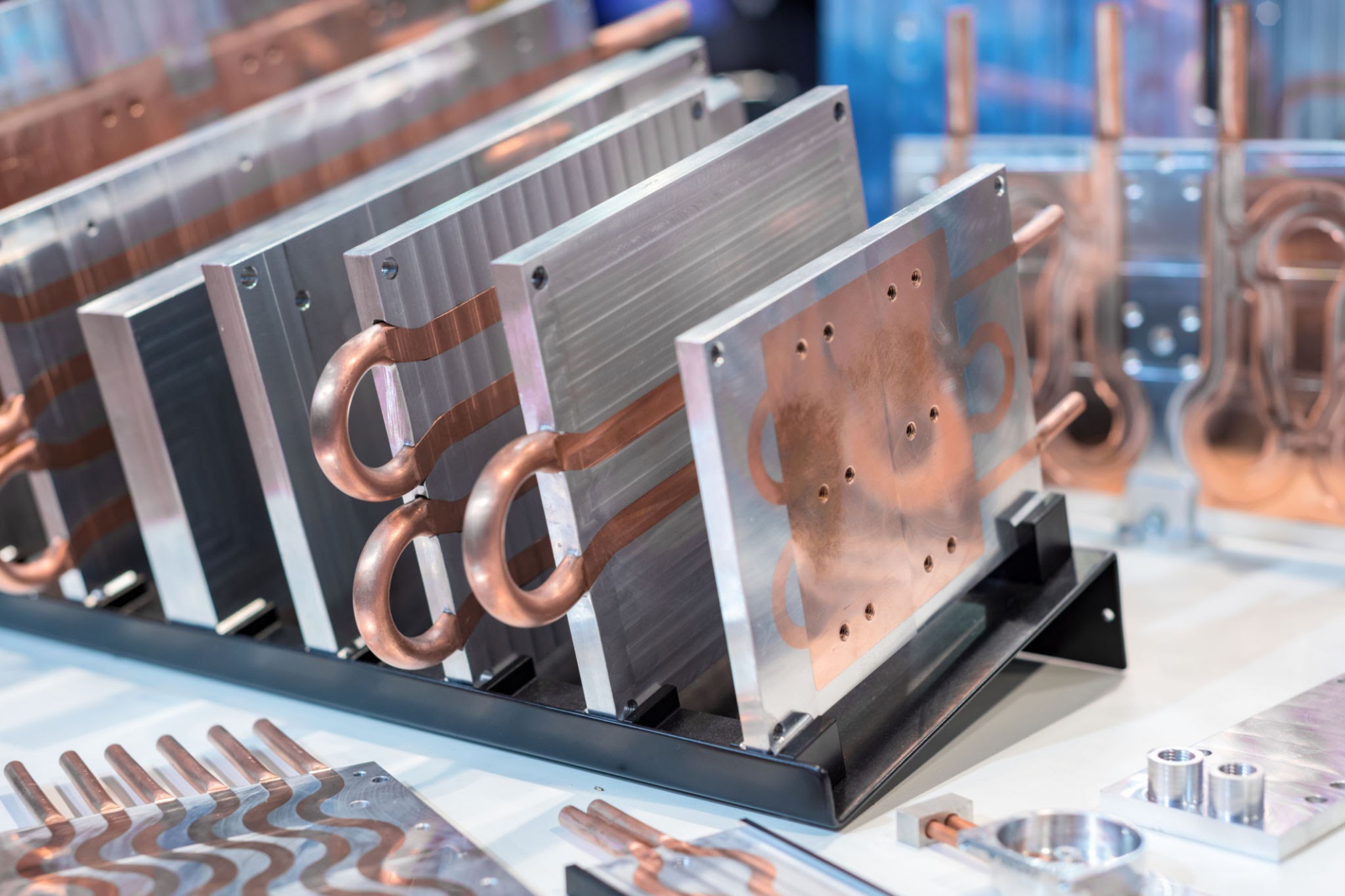
Liquid cold plates—typically made of aluminum alloy sheet/plate or vacuum-brazed/roll-bonded structures—are critical thermal management components in BESS battery packs and EV power modules.
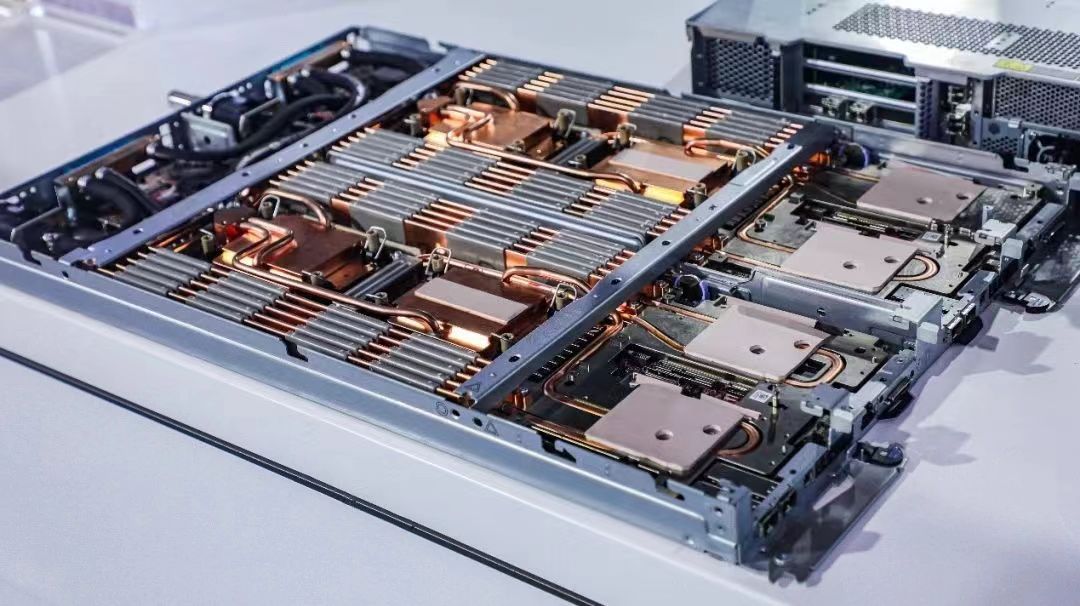
Before diving into the vacuum solution, it is essential to understand why these thin, complex structures are so difficult to hold securely using conventional clamping:
Warping & Part Distortion: Thin-walled aluminum sheets buckle easily under the point loads of traditional mechanical clamps or vise jaws.
Chatter & Tool Vibration: Unsupported center regions bounce during high-speed face milling, leading to terrible surface finish and premature tool wear.
Toolpath Interference: Clamps obstruct 5-axis/3-axis cutter paths, forcing multi-setup operations and increasing cycle time.
Through-Hole & Milling Cut-Through Restrictions: Machining mounting holes or perimeter profiles without damaging the fixture bed requires clever setup strategies.
How a Vacuum Table Secures Liquid Cold Plates?
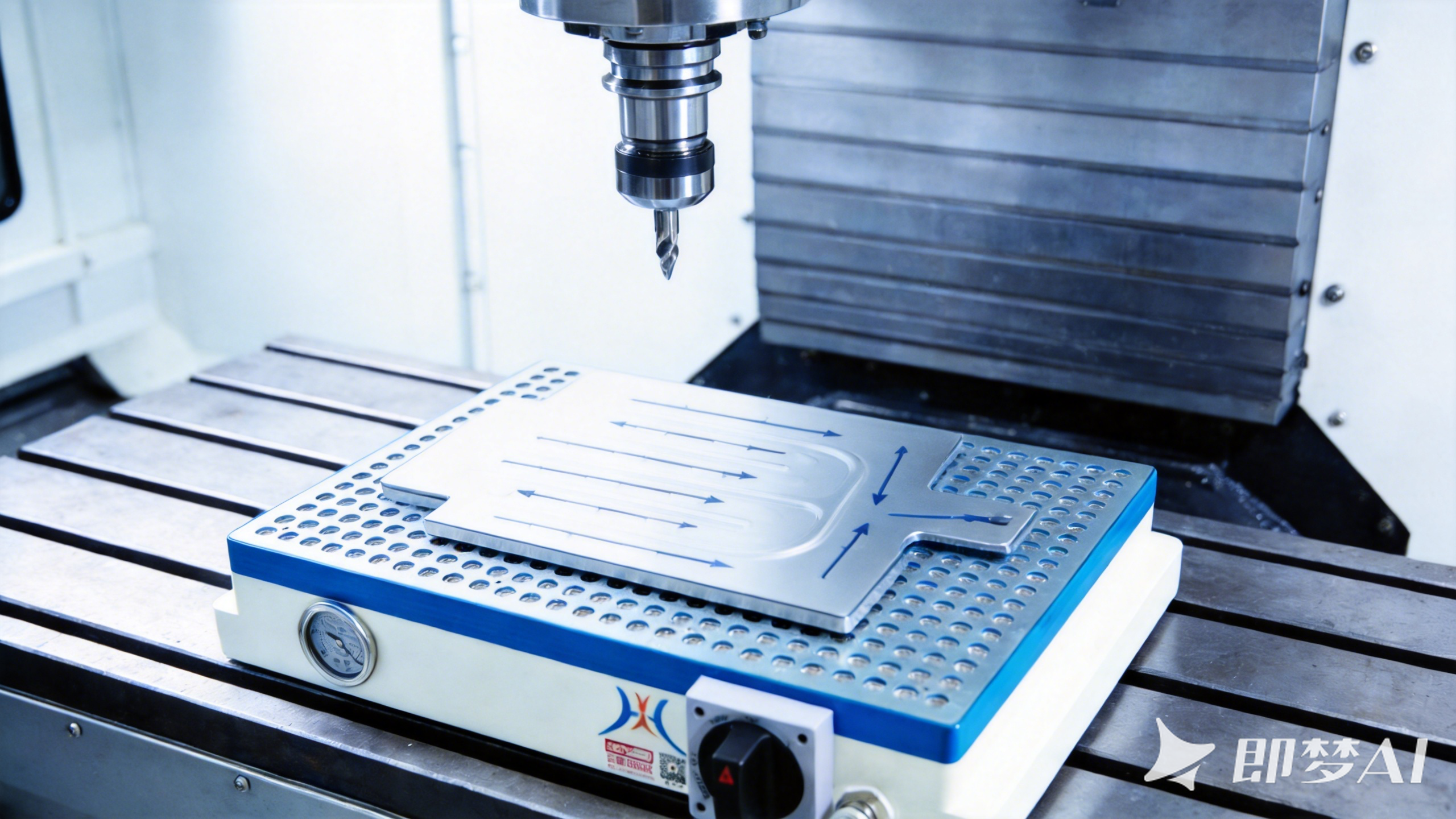
A CNC vacuum table uses negative atmospheric pressure to hold the entire surface of the liquid cold plate against an ultra-flat reference grid or porous bed. Instead of applying tons of localized pressure at two or four clamping points, atmospheric pressure distributes a uniform, continuous force across the entire workpiece.
The Machining Setup in 3 Simple Steps:
1.Prepare the Vacuum Table:Ensure clean reference surface。
Mount the multi-zone or auto-shutoff valve vacuum table onto your CNC machine bed and verify surface parallelism.
2.Place the Sacrificial Substrate / Rubber Mat:Enables through-milling and perimeter cutting。
Position a porous rubber mat or breathable MDF/synthetic waste board on the table. This protects the vacuum surface when milling through holes or perimeter profiles.
3.Position & Engage Vacuum:Instant zero-distortion lock。
Place the raw aluminum cold plate blank onto the table, locate against alignment pins, and switch on the vacuum pump. Within seconds, the plate is pull-down flattened against the bed with maximum rigidit
4 Major Advantages of Using Vacuum Tables for Cold Plate Production
| Feature | Traditional Mechanical Clamping | Precision Vacuum Table System |
| Clamping Pressure Distribution | Localized point pressure (high stress) | Uniform downward pressure across entire surface |
| Setup & Changeover Time | 10–15 minutes (manual clamping) | < 10 seconds (instant vacuum suction) |
| Toolpath Access | Top surface obstructed by clamps | 100% unobstructed top & edge access |
| Part Flatness & Surface Finish | Vulnerable to post-release springback | Sub-micron flatness, zero chatter |
1. Eliminates Thermal & Mechanical Deformation
Because liquid cold plates require flat mating surfaces for thermal interface materials (TIM), even 0.05 mm of bowing can cause thermal management failure in a battery pack. Vacuum tables pull the sheet flat without inducing internal stress, ensuring the part stays flat after machining.
2. Eliminates Chatter for Superior Surface Finish
By damping vibrations across the entire underside of the cold plate, vacuum holding prevents “micro-chatter” during high-speed face milling and channel profiling. This results in mirror-like surface finishes and longer tool life.
3. Maximum Tool Clearance for Single-Setup Operations
Without clamps in the way, your CNC spindle can complete face milling, O-ring groove cutting, drill/tap operations, and perimeter profiling in a single setup. This slashes cycle times by up to 40%.
4. Ideal for Thin-Wall Auto-Shutoff Operations
Modern Auto-Shutoff Valve Vacuum Tables feature hundreds of individual micro-valves. Valves beneath the cold plate open automatically under pressure, while uncovered valves remain closed—allowing you to machine variable-sized cold plates or cut all the way through edges without losing vacuum suction.
Best Practices for Machining Liquid Cold Plates on Vacuum Tables
Coolant Management: When using flood coolant (MECAGREEN or water-soluble cutting oils), equip your vacuum system with a high-capacity Vacuum Liquid Separator to prevent coolant from entering the vacuum pump.
Vacuum Pump Selection: Pair your system with a reliable rotary vane vacuum pump capable of reaching deep vacuum levels (down to 0.5–2 mBar absolute pressure) for maximum holding force on smooth aluminum surfaces.
Summary
In liquid cold plate manufacturing, holding precision determines part quality. Transitioning from traditional mechanical fixtures to a dedicated CNC Vacuum Table eliminates workpiece distortion, reduces setup time to seconds, and unlocks maximum productivity for EV, ESS, and aerospace thermal management components.